Late rains, new research and a landmark moment for giraffe conservation
Why privately protected land holds the key to South Africa’s giraffe conservation future
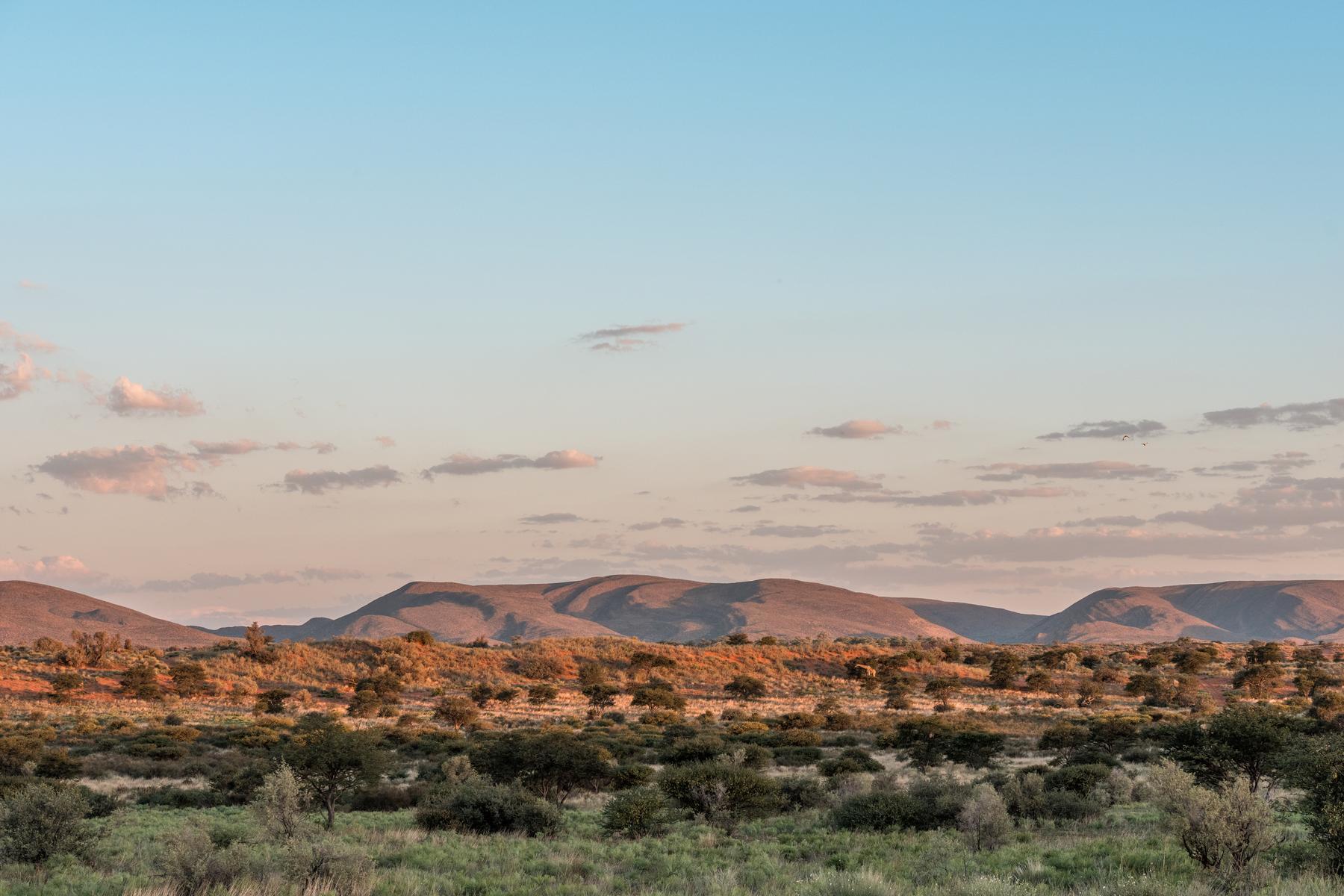
March brought late rain to the southern Kalahari. Parts of Tswalu received as much as 60mm overnight – an extraordinary amount for a semi-arid ecosystem with an annual average of 300mm of rain. The red dunes remain carpeted in green, and the landscape is responding in surprising ways. Dr Wendy Panaino, who has spent 10 years at Tswalu as a researcher and ecologist, has never seen the black thorns flower in March before. They typically bloom in spring, ahead of the rain. This ecosystem continues to surprise even the most experienced among us.
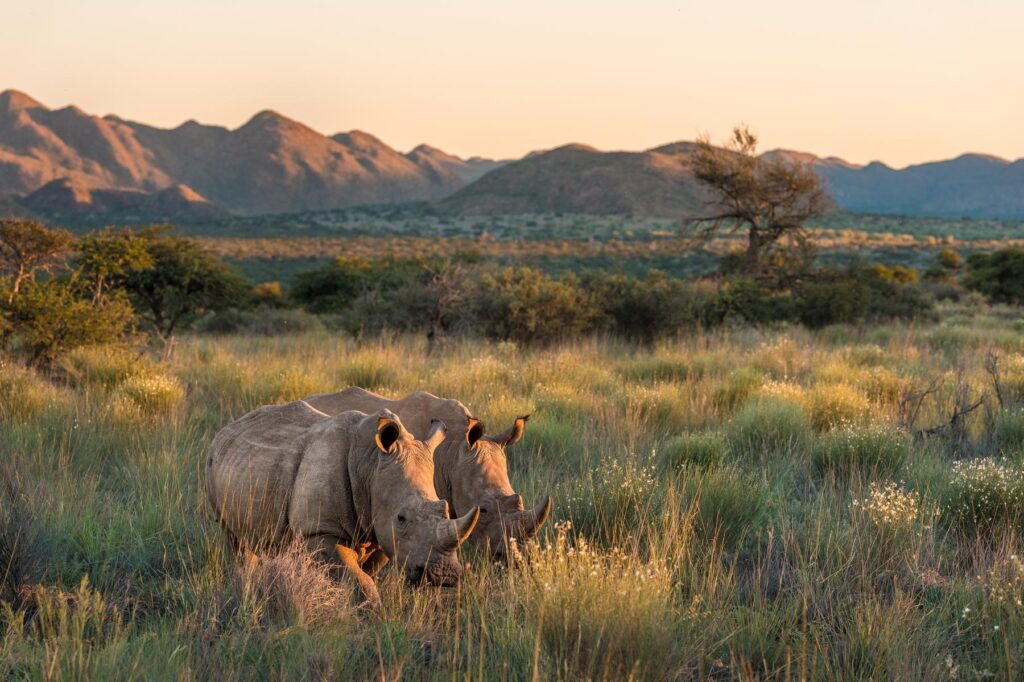
Ahead of the annual game count, scheduled for the first week of April, work continues apace. Herbivore surveys are underway, assessing the age, sex and body condition of Tswalu’s wildlife populations, and this baseline work feeds into the reserve’s long-term monitoring programme. Guides have been sharpening their field skills through training with Massimo Rebuzzi of African Bush Company, the small carnivore research team has expanded its study group with three mongooses and a genet, and the southern pride’s three new cubs have been sighted regularly. Rhino and wild dog sightings have been strong across the reserve.
Against this backdrop of a healthy landscape, new research situates Tswalu’s role within a broader context. The Giraffe Conservation Foundation’s State of Giraffe 2025 report, together with a peer-reviewed assessment published in the African Journal of Wildlife Research, presents the most comprehensive picture yet of southern giraffe in South Africa. The national estimate stands at 29,536 individuals – a population that has grown from around 8,000 in the 1970s. South Africa holds more than 40 per cent of all wild southern giraffe on the continent.
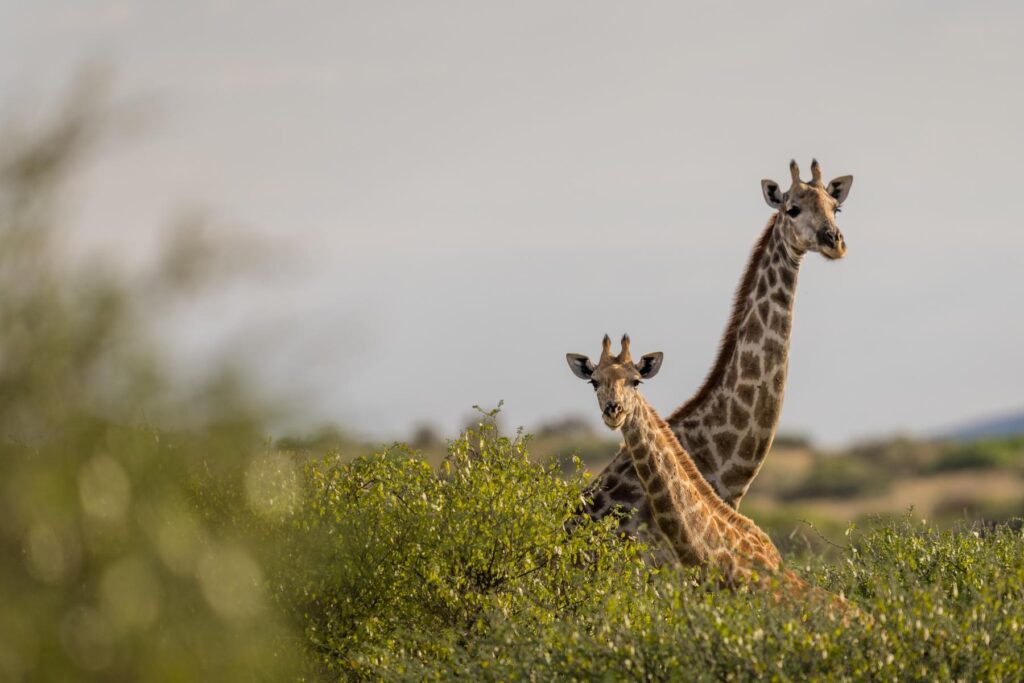
Nearly half of South Africa’s giraffe, 49.4 per cent, are protected on private land, a figure that reflects decades of investment in privately managed habitat. The legal frameworks that allow private ownership and management of wildlife have been directly credited in the research as a driver of the species’ recovery. Without privately protected areas, the fate of giraffes would be very different. As the largest privately protected conservation area in South Africa, Tswalu is integral to this story. The reserve provides continuous, managed habitat in the Northern Cape, a province the researchers identify as home to a potentially significant transboundary population, with giraffe moving across the broader Kgalagadi landscape into Botswana. The data that reserves, such as Tswalu, contribute to national monitoring also informs international conservation assessments, including IUCN Red List evaluations that shape policy and permitting at a global level.
The Giraffe Conservation Foundation’s 2025 census drew on Tswalu’s historical giraffe count data – 26 years of record keeping, gathered annually from the air. The game count that gets underway this week will add another layer to that data set, furthering Tswalu’s regenerative conservation legacy.
DOWNLOAD THE CONSERVATION JOURNAL HERE
Images: Marcus Westberg


