New lion cubs trigger territorial tensions
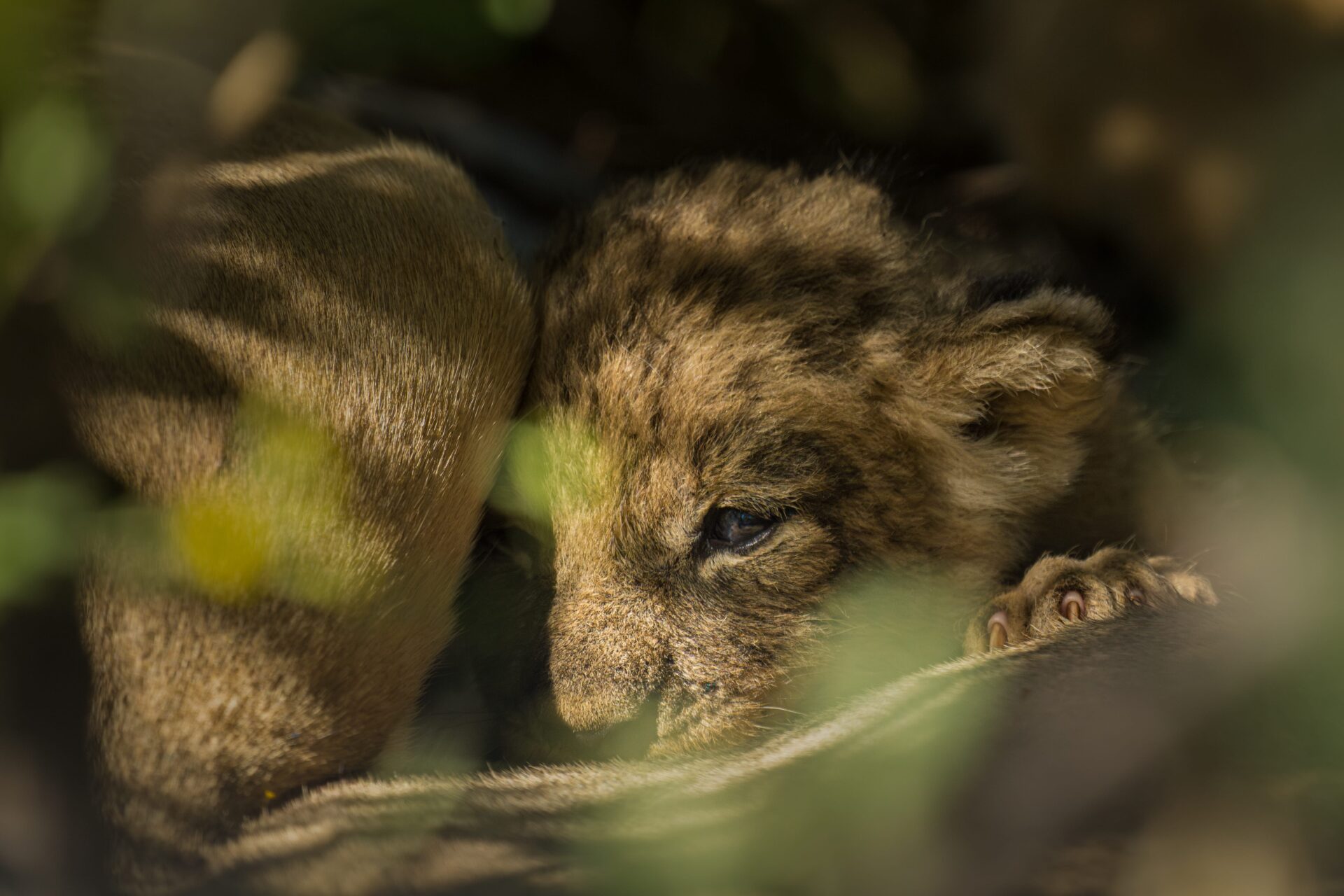
Pride dynamics intensify as the northern sisters defend their young
December in the southern Kalahari is a time of high drama, especially in the afternoons: electric storms, the rumble of thunder and isolated rain showers that cut through the heat and refresh the earth. By the first week of December, Tswalu had already received half its yearly rainfall, which is encouraging as January is traditionally the start of the rainy season – a relative term when the annual average is around 300mm.
There is a palpable energy in the air at this time of year, and the reserve appears impossibly green. Grasses and flowering creepers flourish, carpeting the dunes. Black thorns are draped in hemiparasitic pink-flowering mistletoe. At night, the sweet scents of flowering plants linger in the air, barking geckos call for their mates, and black-backed jackals and Cape foxes and their young are enticed above ground, thanks to insect activity.
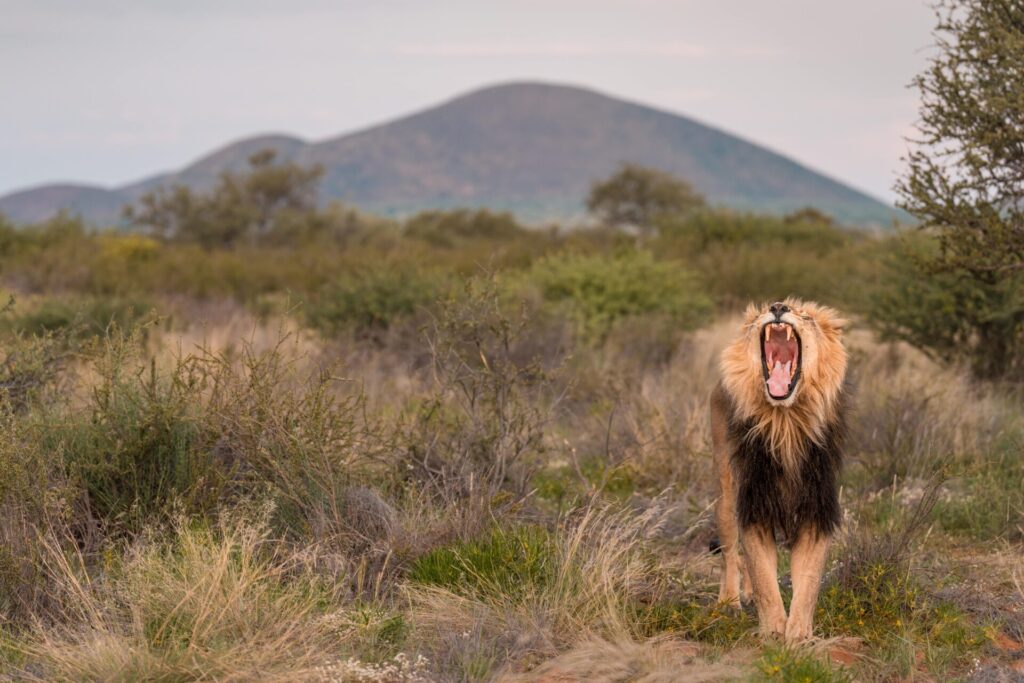
The two lionesses that gave birth in November have eight cubs between them. Sightings are open, although only one vehicle at a time is allowed, with a maximum of four viewings a day. This protocol will continue until the cubs are about five months old, and reflects Tswalu’s conservation approach – the welfare of little cubs takes precedence over guest viewing. Mothers need uninterrupted time to nurse, bond, and protect their offspring during the months when predation risk is highest, and disturbance can compromise survival odds.
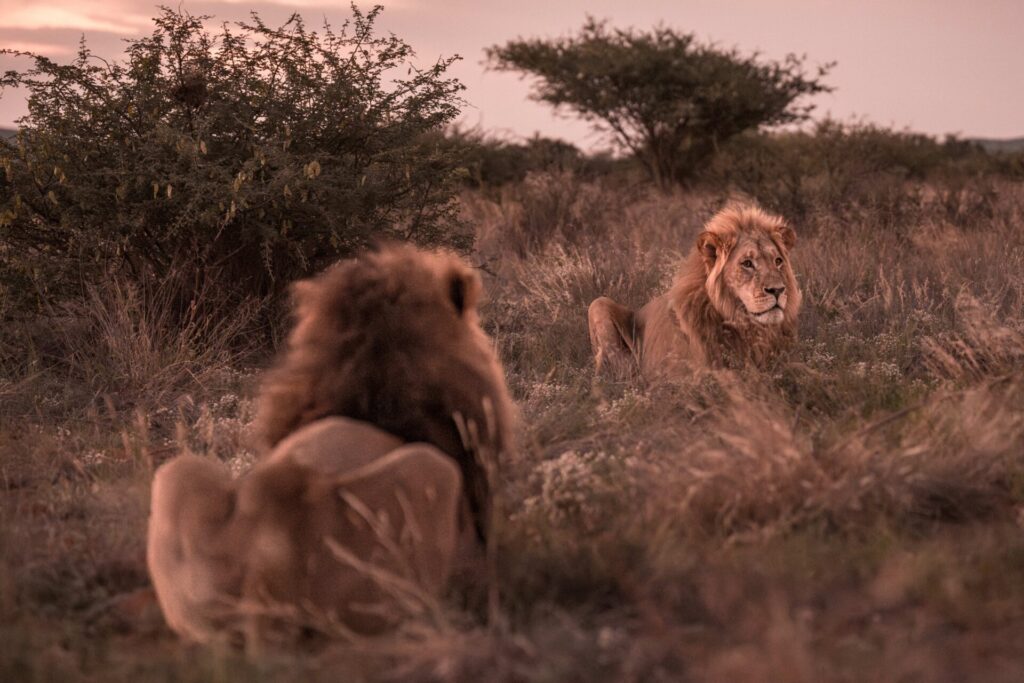
For context, two lion prides occupy territory at Tswalu. The northern pride includes the two sisters currently co-parenting the eight new cubs. The southern pride includes two adult females and a young male from last year’s litter. Two coalition males move between the two groups. They have been introduced to the cubs and have not shown signs of aggression.
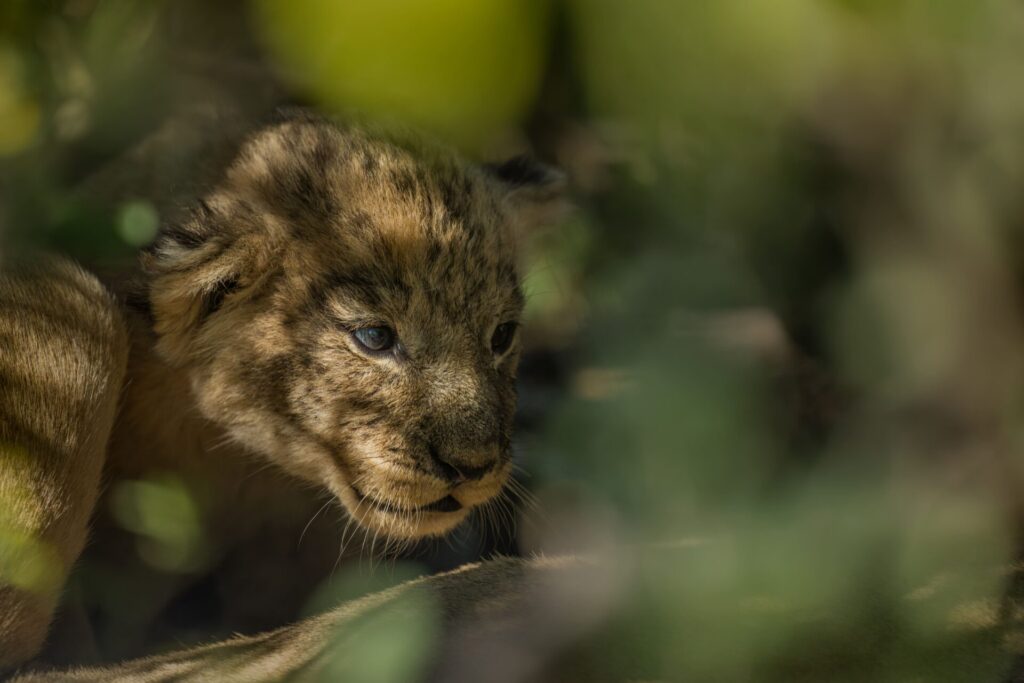
The territorial nature of lions creates inevitable tension. The southern females have been ranging into northern territory, a strategy that recently left one with an injured foot, likely sustained during conflict with the northern pride. Females defending cubs are known to be aggressive, and the northern females have the advantage of age and size.
The young southern male faces different pressures. Coalition males view him as emerging competition, forcing him to avoid both them and the females who travel with them. Field observations suggest this young male has adopted a nomadic pattern, staying peripheral to both prides. His brother hasn’t been sighted and is presumed to have been killed by the coalition males. It’s a precarious phase, this transition from juvenile to dispersing male.
What’s observed over the coming weeks adds to the body of knowledge on pride dynamics, territorial shifts, and survival patterns. As keystone predators, lions help control herbivore populations and prevent overgrazing in a landscape where resources are already limited. The work at Tswalu is to protect the conditions that allow these ecological processes to unfold and to document what happens when they do.
DOWNLOAD THE CONSERVATION JOURNAL HERE
Images: Marcus Westberg


