Pangolin rewilding research launches in the Kalahari
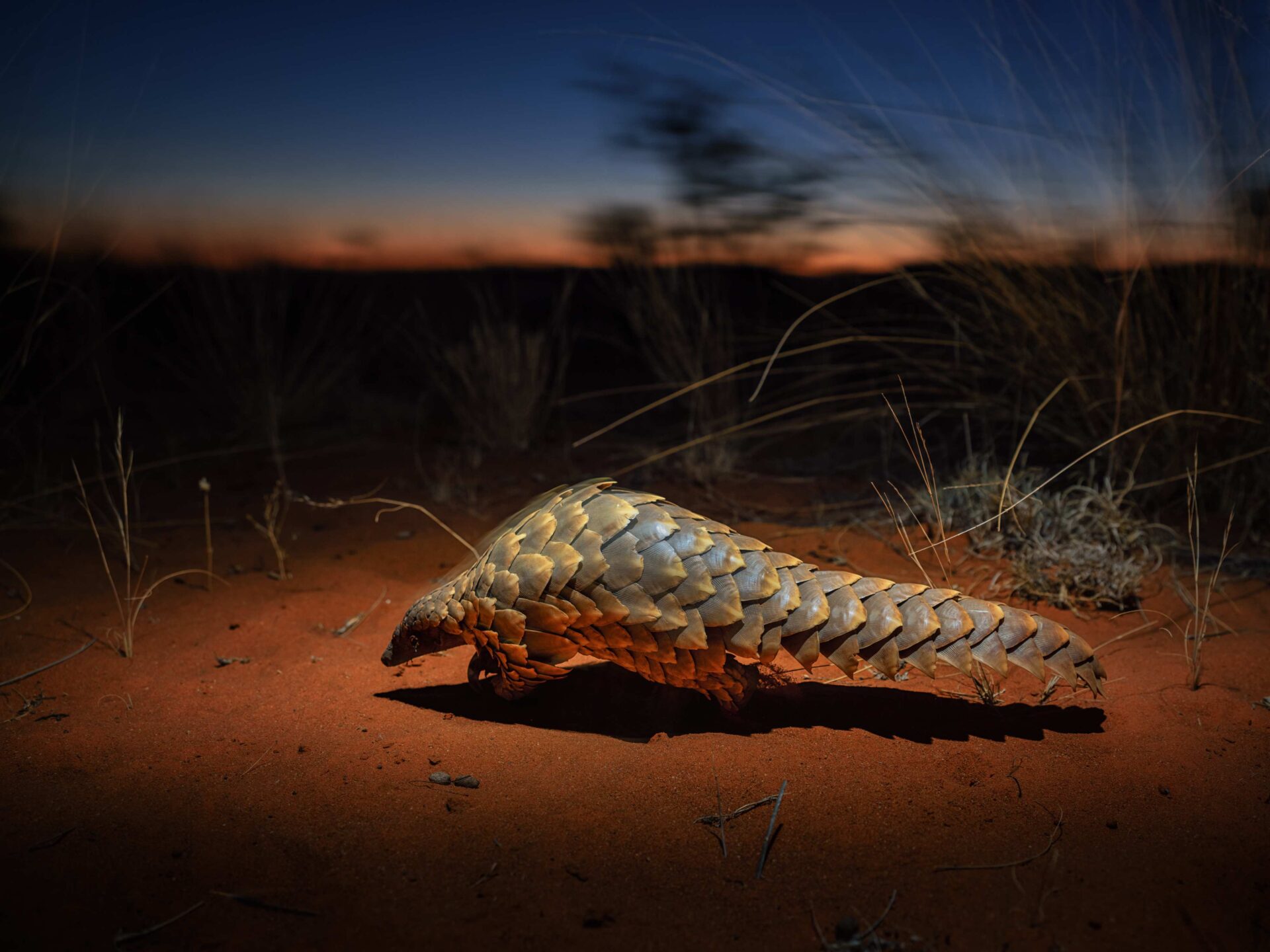
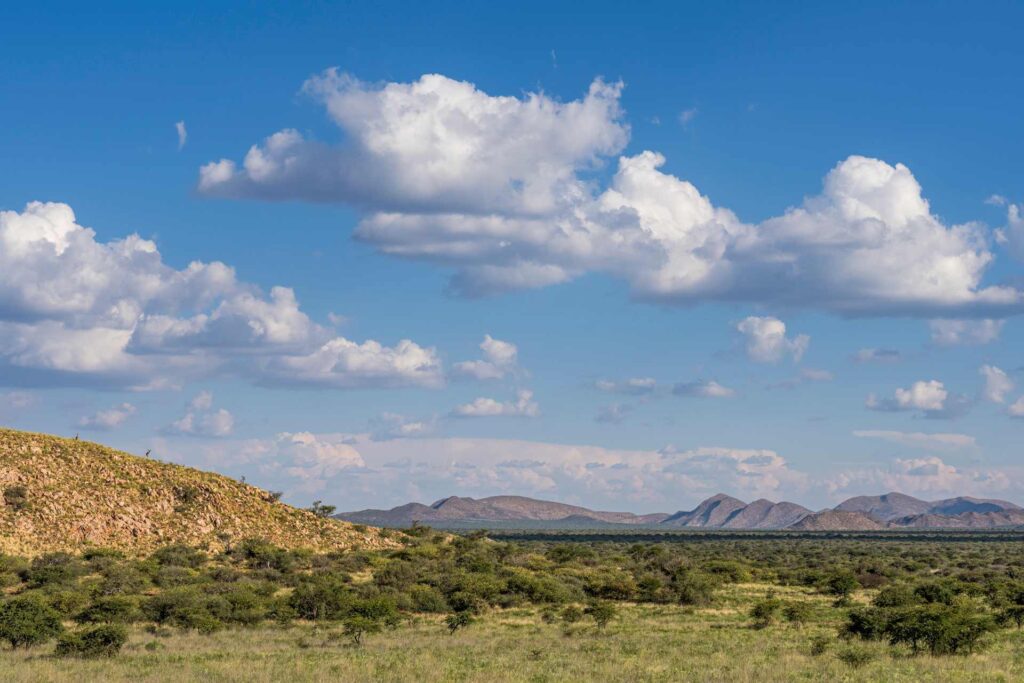
February closed with some late rain, between 20 and 50 millimetres across the reserve over several days, elevating the seasonal average. The trade-off, as always, is that lush late-summer growth will make for denser vegetation come winter, which will make sightings of Tswalu’s elusive species, particularly pangolin and aardvark, more challenging in the months ahead. It is a challenge our guides and trackers know well, and one they meet with the kind of patience and skill that turns a difficult sighting into an unforgettable one.
The Southern lion pride’s den site is being closely monitored, with three cubs believed to be in the litter. Although unzoned for sightings, the little cubs have been kept well hidden by their mother. The trackers have found tiny footprints on several mornings, close to Mellifera Pan and Loapi. A second female in the pride is also proving hard to locate, and the team suspects she is close to dropping her own cubs.
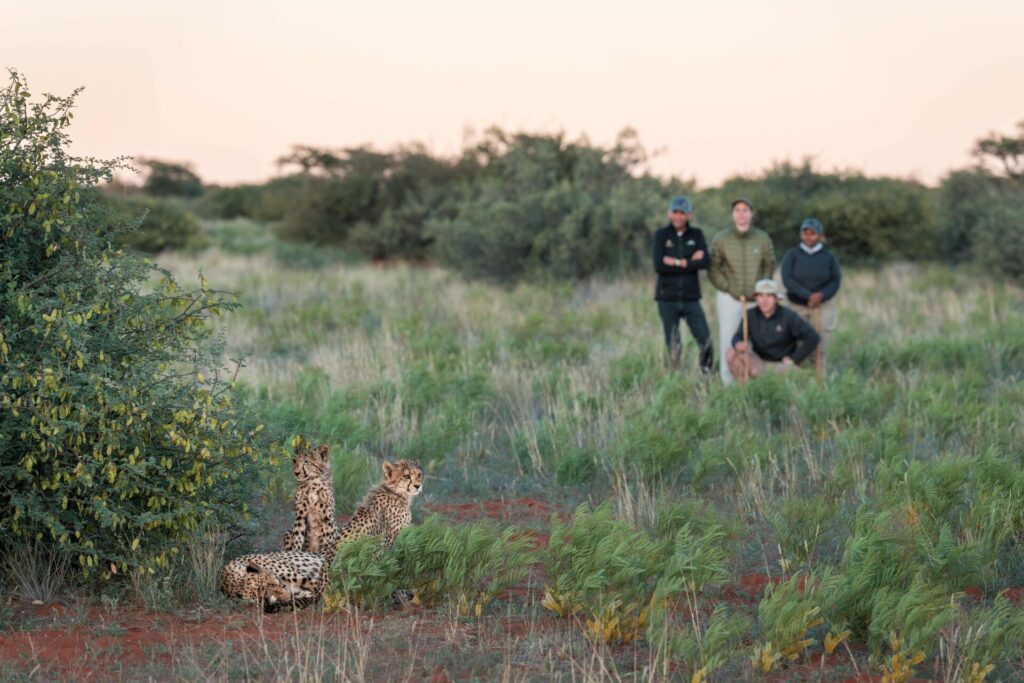
With Motse and Tarkuni camps currently undergoing renovation, the guides and trackers have been using the quieter period purposefully. On 20 February, two teams spent close to 10 hours in the field for a birding big day, recording 121 species between them. Daily wildlife habituation work continues, too, keeping cheetahs, wild dogs, meerkats and other species accustomed to the presence of vehicles, so that when both camps reopen, the sightings will be reliable.
The new pangolin research project is officially underway, following Tswalu becoming an official release site for rehabilitated pangolins confiscated from traffickers in the Northern Cape – recognition of what the reserve has been building towards for a decade. Tswalu provides an unprecedented protected wild environment, a permanent ecologist in Dr Wendy Panaino (who completed the first pangolin study on Tswalu), and a resident pangolin population that is among the best-studied in Africa.
The first two rehabilitated animals arrived in early 2026. A PhD study by Rasekuwane Mosia, supervised by Professor Andrea Fuller at the University of the Witwatersrand and conducted in partnership with the Northern Cape Department of Environment, Agriculture and Rural Development, will track how these animals fare. Titled Ecology of resident and released Temminck’s pangolins in the Kalahari, the study addresses what is perhaps the defining question for pangolin conservation in the region – whether a pangolin confiscated from traffickers, rehabilitated, and released into the wild can truly recover.
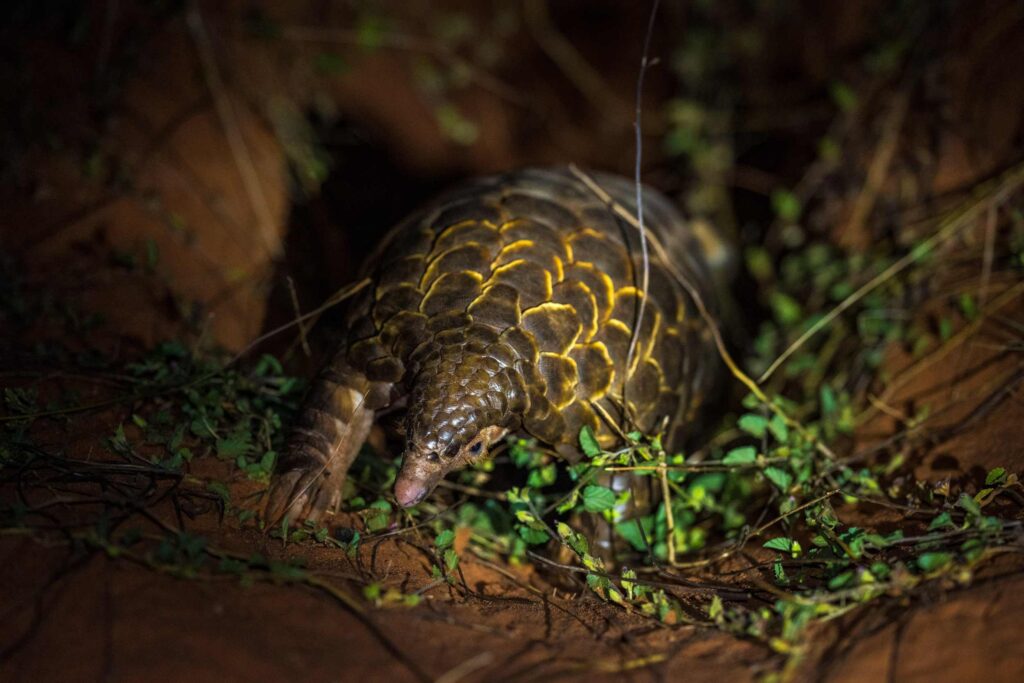
Rasekuwane will compare released pangolins against the resident wild population, monitoring and measuring differences in habitat use, movement, foraging behaviour, energetics, and reproductive output. Critically, the study will assess the acclimatisation period: how long it takes a released animal to behave like a wild one, and whether it ever fully does. That comparison requires locating and monitoring resident animals, and it is here that Tswalu’s guides and trackers become a critical resource and a part of the process. Where possible, teams are taking turns to monitor burrow activity and source tracks in the early hours of the morning and are heading out again at night to follow up in the hope of locating wild pangolins on the reserve.
DOWNLOAD THE CONSERVATION JOURNAL HERE
Images: Marcus Westberg


