Understanding the value of herbivore surveys
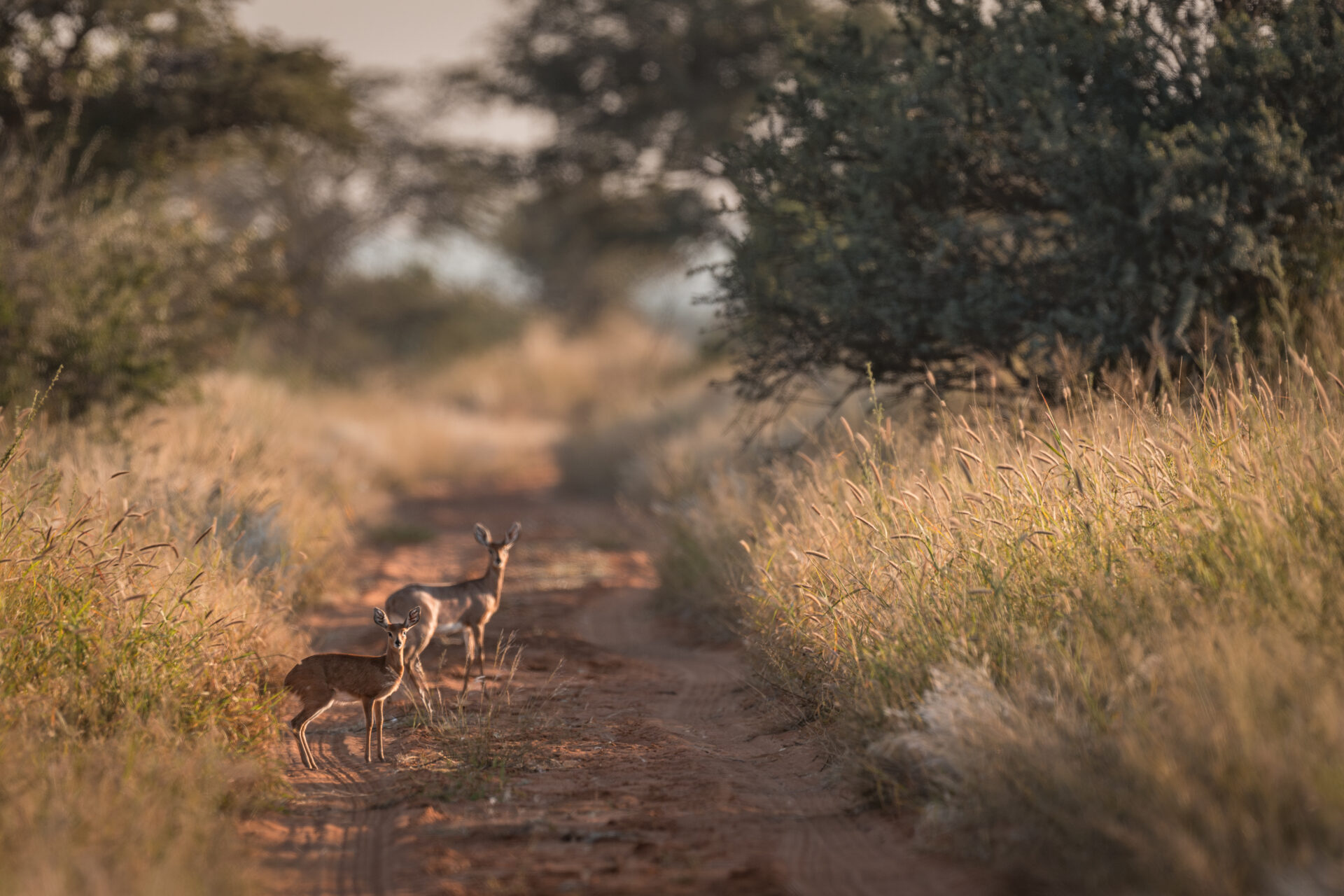
Twice a year, Tswalu’s conservation team fans out across the reserve’s 118,000 hectares to take the pulse of its herbivore populations. The surveys, conducted at the end of the wet season and again at the close of the dry season, have been running since 2021. What began as an annual exercise was refined into a bi-annual one, as seasonal shifts in body condition and recruitment are better captured across two data points than one. The data they generate have become foundational to how the reserve is managed.
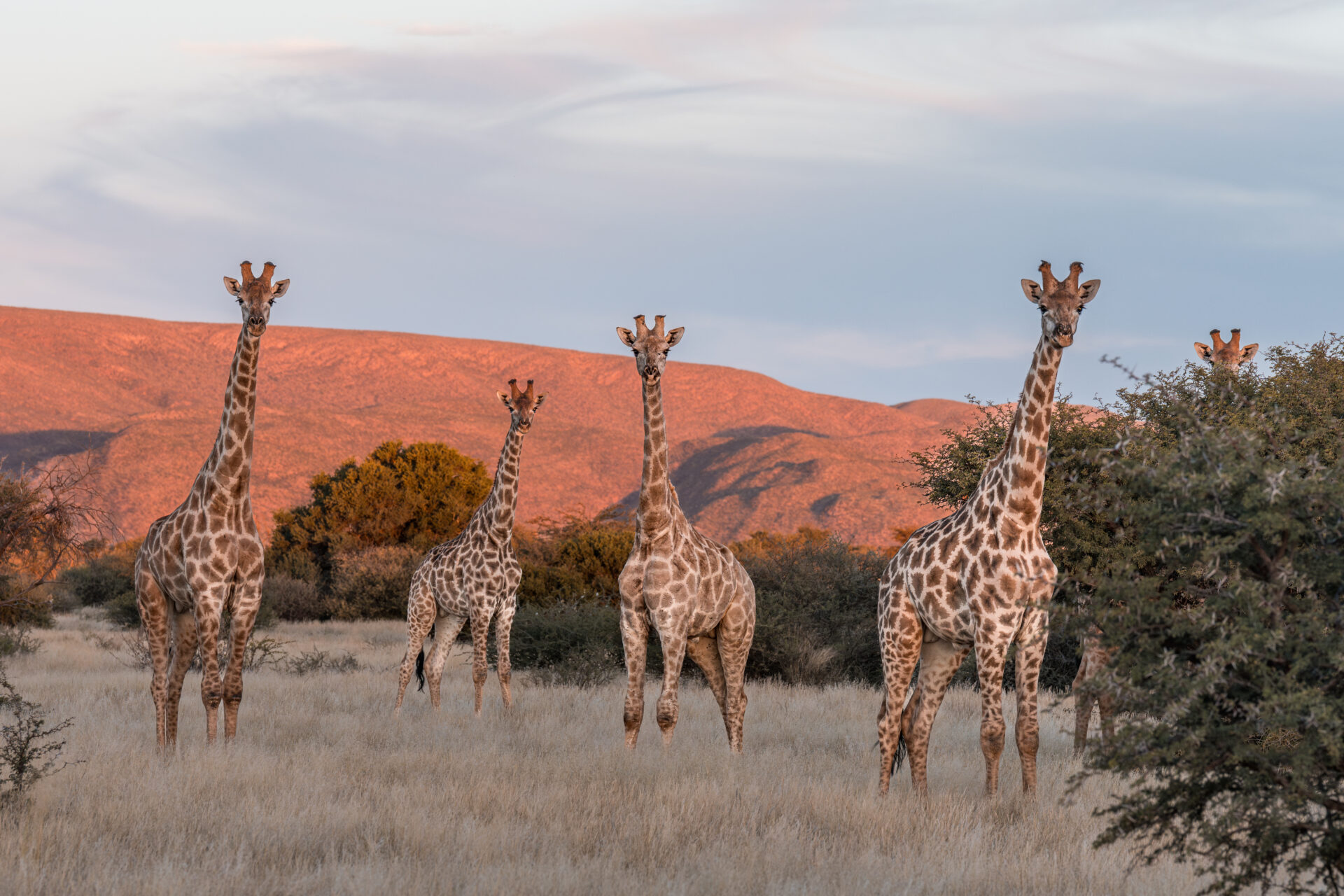
Two vehicles drive pre-established transect routes, developed to cover Tswalu’s distinct habitat types, from the Duneveld and Plains Shrubveld to the Korannaberg mountains, at a slow and steady 18 to 22 kilometres per hour. The transect routes and methodology were established by Drs Andrea Webster and Andrew Abraham, whose expertise ensured the survey design was rigorous and consistent from the outset. When an animal is sighted, an experienced observer on the back of the vehicle calls out the species, sex, age class, and body condition score to the scribe. Each route is driven twice – once in each direction – to account for time-of-day activity patterns and to improve detection from different angles.
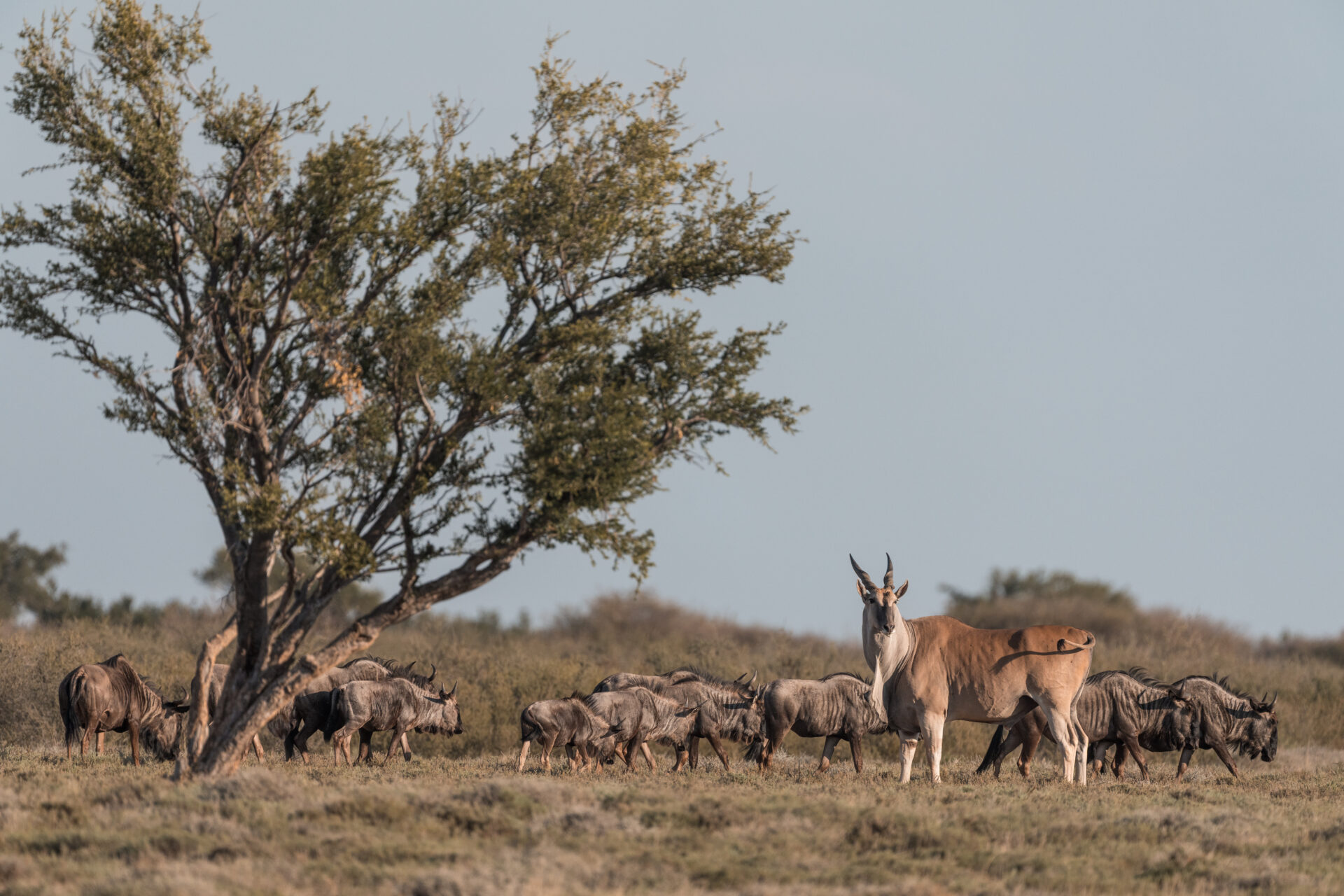
Body condition is scored on a scale of one to five, where three represents a healthy animal in good standing. A score of two and a half suggests the animal is carrying less condition than ideal; a four or above would be unusual outside of captivity. The index provides a consistent, comparable measure across seasons and species.
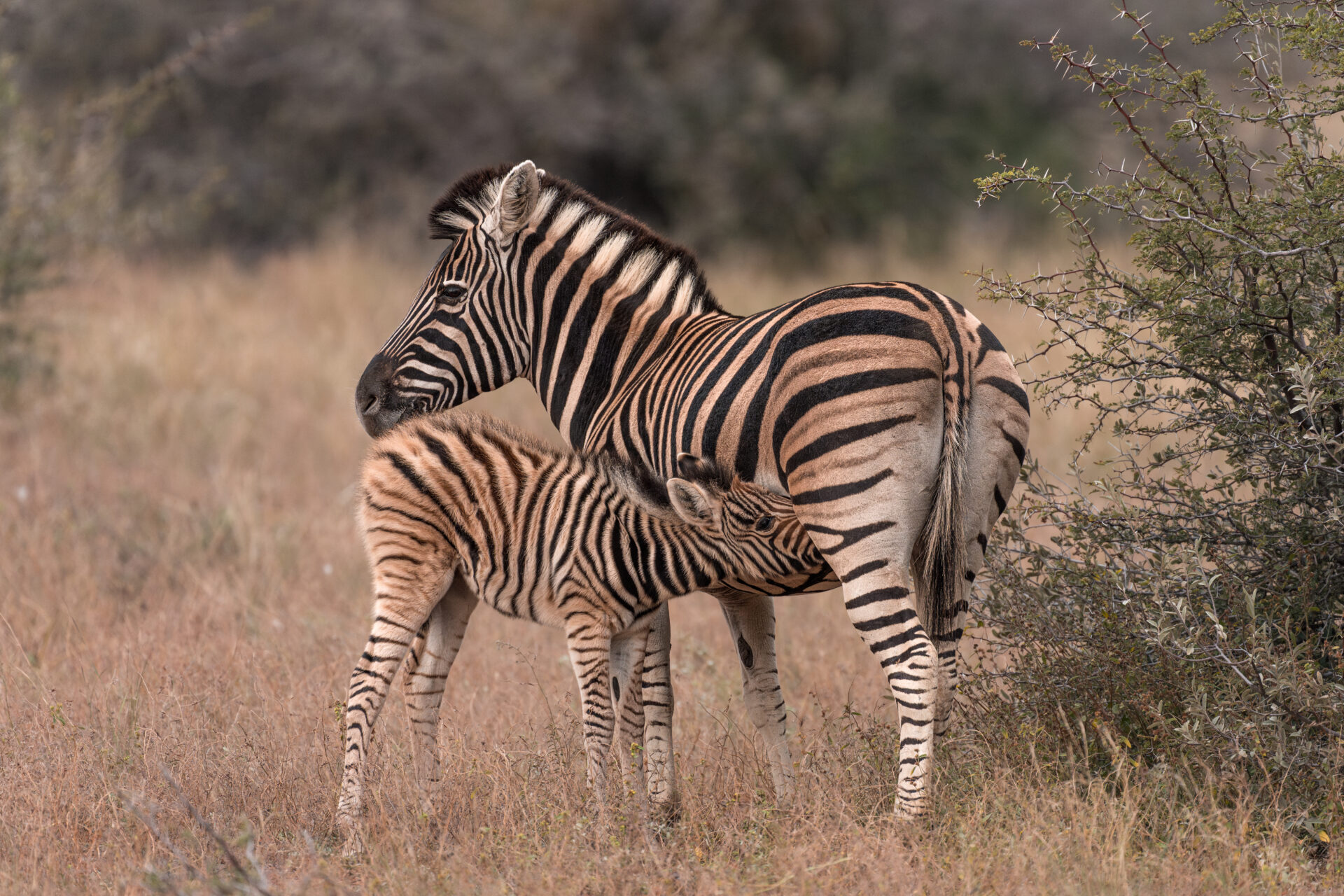
Three data sets emerge from each survey: age ratios, sex ratios, and body condition scores. Together, they build a picture of population health that goes well beyond a headcount. Sex ratios reveal whether breeding populations are balanced and whether reproductive success is likely to hold. Age ratios – tracking the proportion of juveniles, sub-adults, and adults – indicate breeding, known as recruitment: how many young animals are surviving from one season to the next. And body condition scores provide a proxy for seasonal severity. This year, coming out of a mild winter, the animals are in good shape.
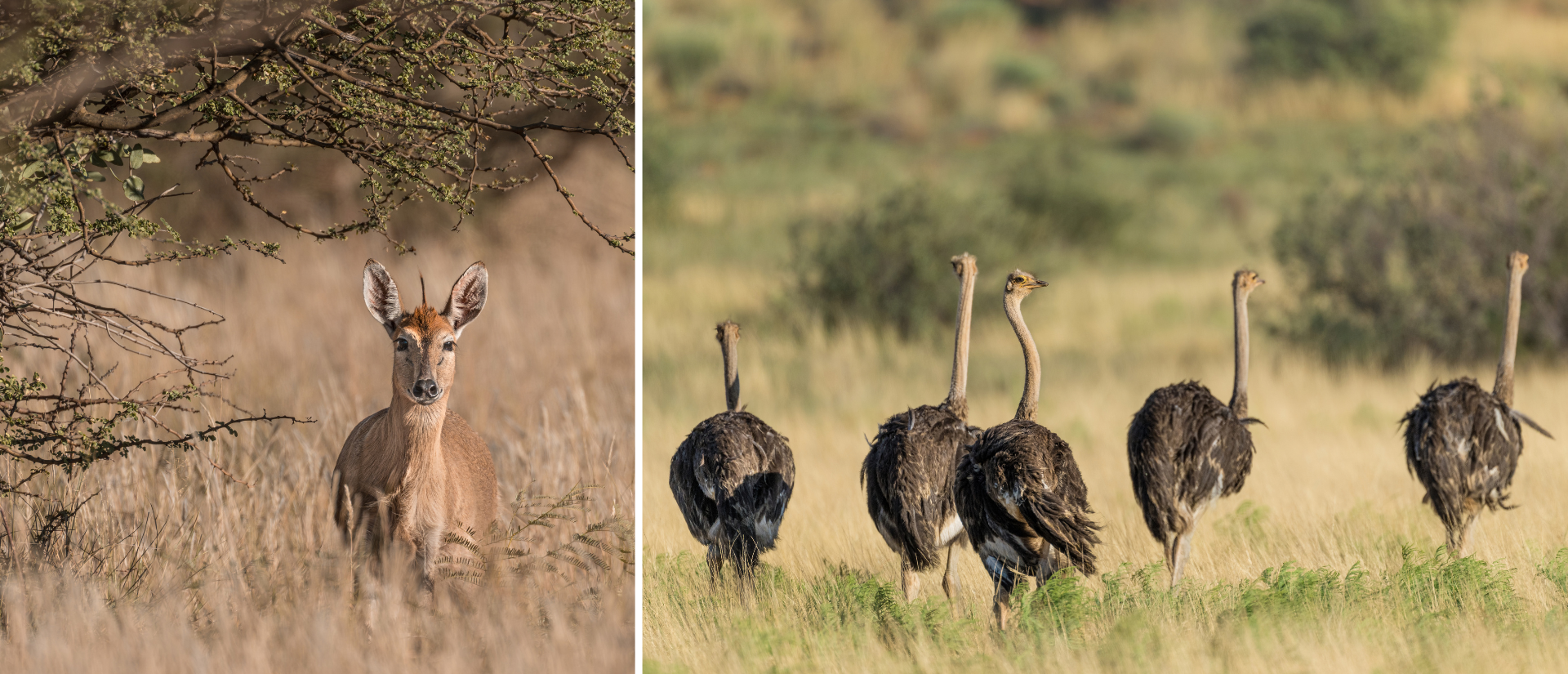
Because each route is driven twice and the transects cover all of Tswalu’s major habitat types, the surveys take up to 12 days in total. The data are entered into a global database and analysed by ecologist Wendy Panaino, whose report tracks these measures over time.
Staff members and their families are welcome to join the survey teams as observers. It is an opportunity to see parts of the reserve that rarely feature in day-to-day routines, and to get a sense firsthand of what monitoring work actually involves. For the conservation students, the surveys provide an intensive grounding in the practical skills of ageing and sexing species in the field.
As the dataset grows, so does its value. The surveys feed into predator-prey models that help the team understand calf and lamb survival rates and predict the longer-term dynamics between predators and their prey. If drought conditions arrive, the data will be there to show it early and to inform whatever response is required.
DOWNLOAD THE CONSERVATION JOURNAL HERE
Images: Marcus Westberg


