Elusive species are present but often proving invisible
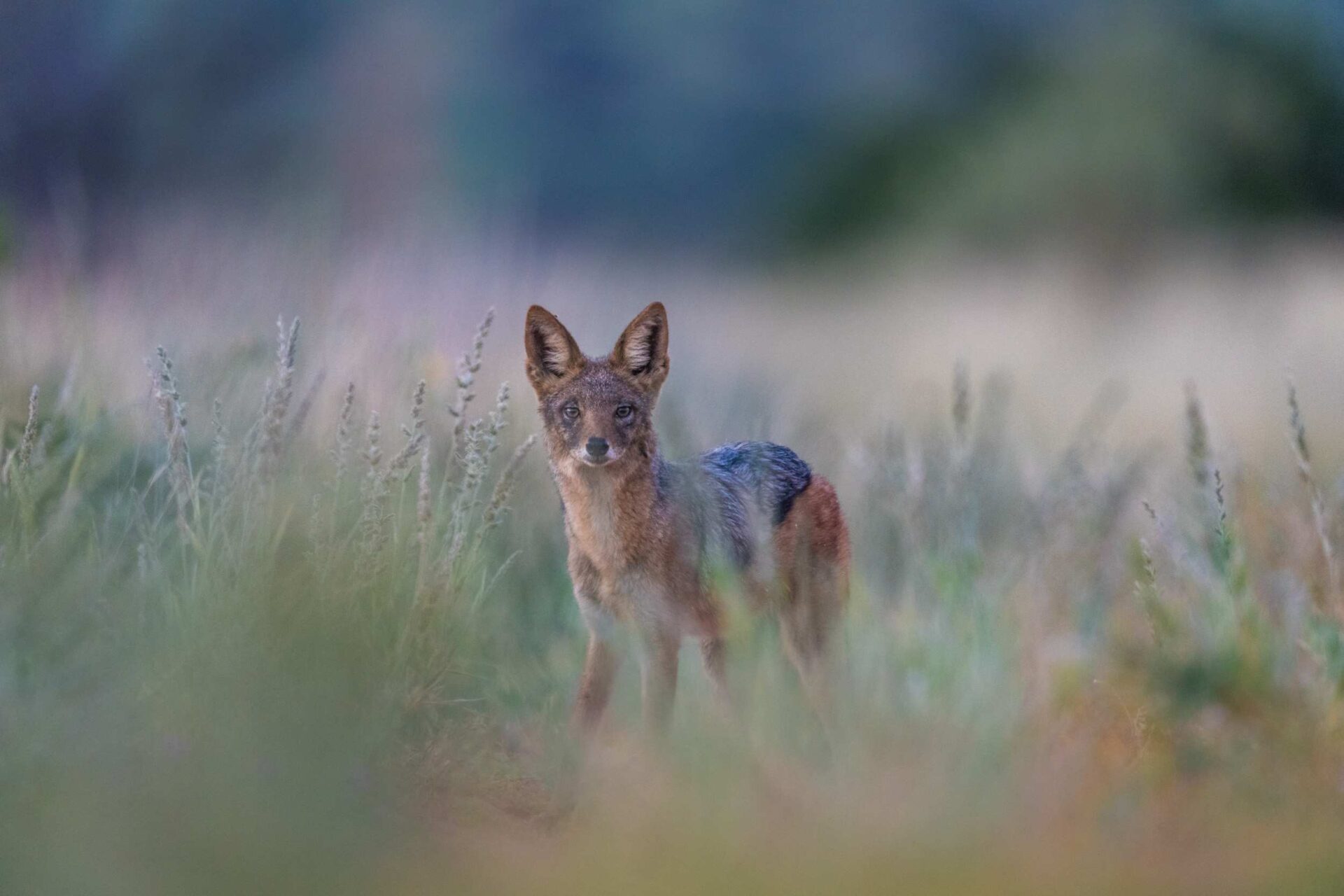
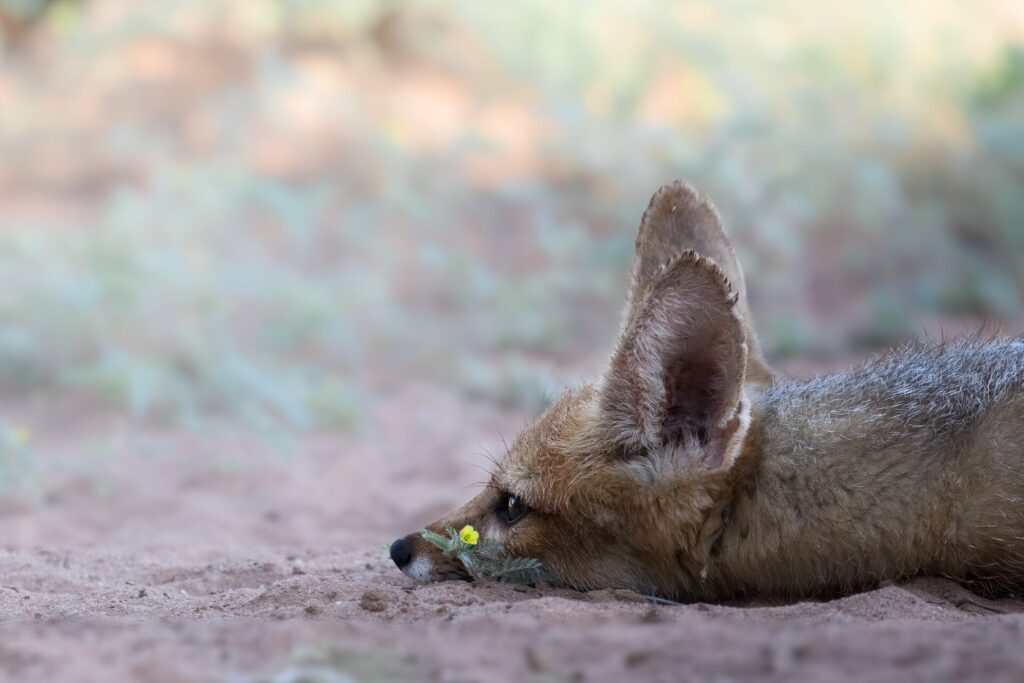
Winter at Tswalu typically offers the best opportunity to observe some of the elusive, mainly nocturnal species associated with the reserve’s semi-arid ecosystem. As temperatures drop and daylight hours shorten, several elusive, secretive animals become increasingly active during crepuscular hours – late afternoon and early morning – when they can forage and move without the energy cost of midday heat or nighttime cold. For guests, this usually means a chance to spot bat-eared foxes, Cape foxes, aardvarks, brown hyenas, aardwolfs and even pangolins, that remain out of sight after dark during the warmer months.
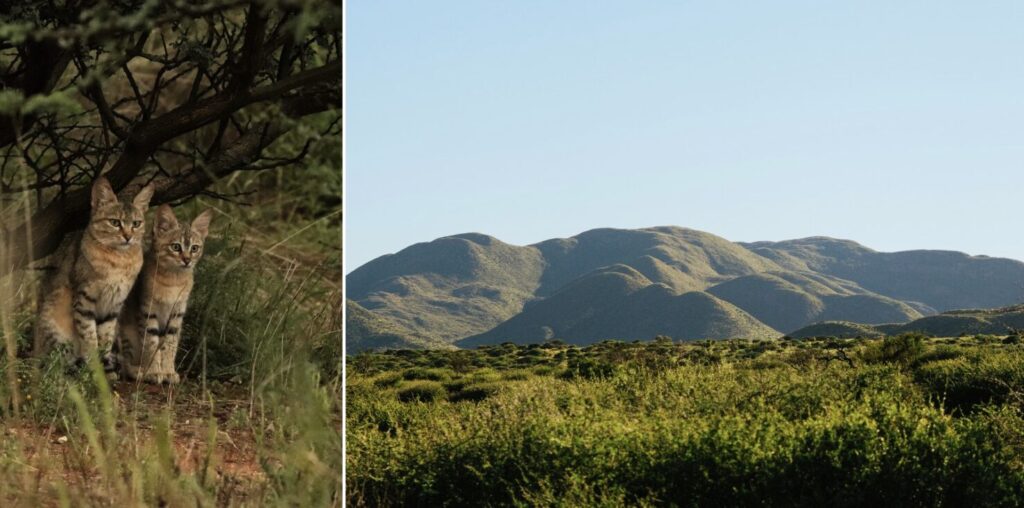
This winter is looking different, thanks to the above-average rainfall in the past year, reported to be double the annual average of 300mm. The vegetation response was dramatic, from grasses to bushy vegetation, like black thorn. That density of cover, combined with unseasonably wet conditions, is making the elusive animals even harder to encounter on game drives, despite evidence of their presence and activity.
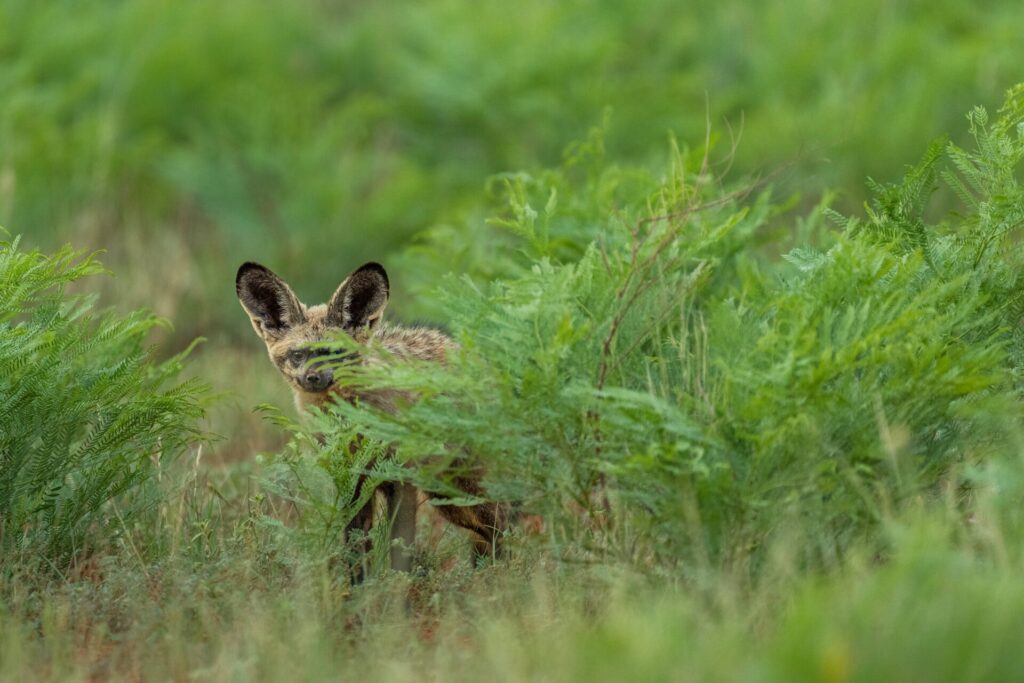
The proof lies in camera trap footage. The team studying small carnivore ecology at Tswalu includes Juri Filonzi, a PhD student, who confirms that 50 camera traps have been deployed across the reserve as part of a three-year research programme. Camera trap footage documents many nocturnal species that are active across the reserve after dark, including genets, African wildcats, caracals, aardvarks, bat-eared foxes, polecats, and even black-footed cats. The striped polecat appears most frequently on the cameras and is active throughout the year. Black-backed jackals appear as the second most recorded species by the team. Small-spotted genets are the most widespread, recorded at 44 out of 50 camera trap stations. Many of these notoriously elusive species are infrequently encountered by guests.
Without baseline evidence, camera footage only represents a snapshot in time but reveals something significant happening in the food chain. The exceptional rainfall that created dense vegetation also triggered a rodent population boom. Juri and the rest of the small carnivore project team, while setting traps for their study animals, repeatedly documented pregnant female rodents – active breeding as a response to the ideal conditions of abundant resources and dense cover from predators. Rodents breed rapidly and repeatedly, resulting in the constant supply of food for many of these elusive species.
Small carnivores depend on rodents. Frequent sightings of Cape foxes in recent weeks, from calls to scent marking, indicate that they are in the mating season and will den in spring. Black-backed jackals are similarly responsive to prey abundance. The camera trap record confirms mongooses, small-spotted genets and striped polecats, the subjects of the small carnivore project, are also thriving.
The rodent boom appears to be having a knock-on effect through the system, supporting breeding success and population growth in the predators that hunt them.
Winter visibility of elusive species and other nocturnal creatures may be poor, but the reserve’s ecosystem is flourishing. The project’s aim should directly improve our understanding of the contributions of small and medium-sized mammalian carnivores to ecosystem functioning and design conservation strategies that recognise their significance alongside the larger carnivores that usually dominate the conservation agenda. With a better understanding of the habits of these elusive species, a greater opportunity exists to open this unique and unexplored world to our guests.
DOWNLOAD THE CONSERVATION JOURNAL HERE
Images: Marcus Westberg, Chris Joubert and Thilo Beck


