Research at Tswalu – a living laboratory
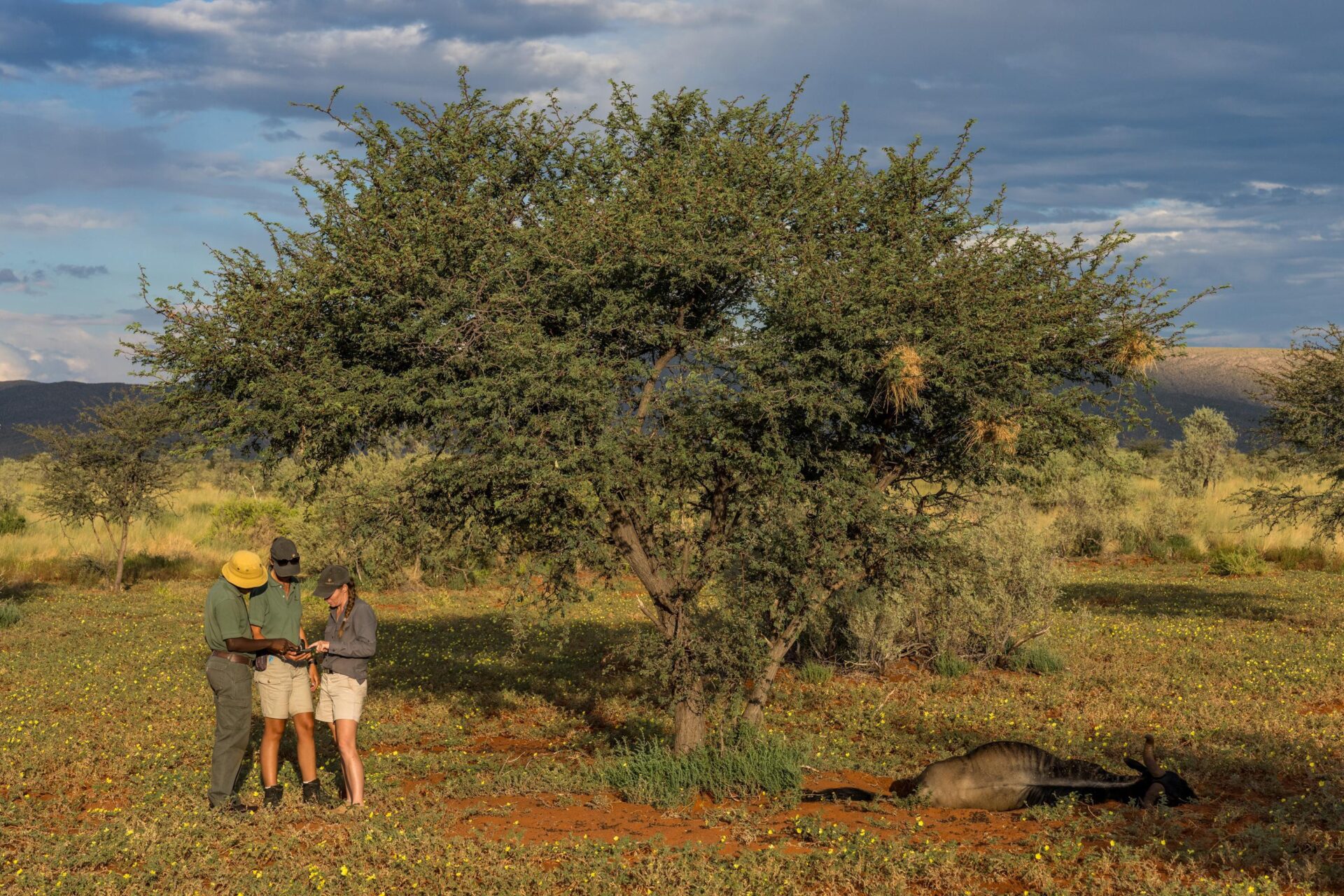
The Tswalu Foundation supports environmental research through diverse projects that generate data that help researchers understand ecological patterns and processes, sometimes beyond Tswalu’s borders. While some studies may inform management decisions on the reserve, many are designed to answer broader scientific questions about species, systems, and change in the Kalahari. There are currently 13 active research projects. Dedeben Research Centre, the Foundation’s research hub at Tswalu, hosts scientists and students from universities and institutions in South Africa and abroad. Rather than focusing on a single species or discipline, the Foundation supports long-term research across different disciplines, allowing knowledge to build over time and turning individual studies into a connected body of evidence about how this landscape functions and how it is changing.
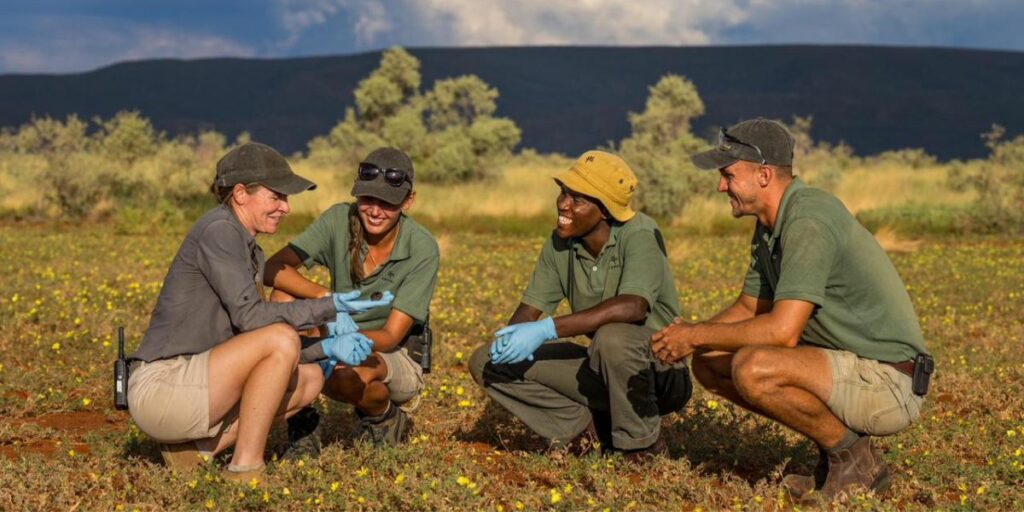
Research at Tswalu is organised around five broad themes: Biodiversity Conservation, Land Management and Restoration, Wildlife Economies, Climate Change Adaptations, and Archaeology. In practice, many projects cut across more than one theme, and the boundaries between them are less important than what connects them: the belief that careful, long-term research helps researchers understand ecological systems, track change over time, and, where relevant, support conservation and land-management decisions.
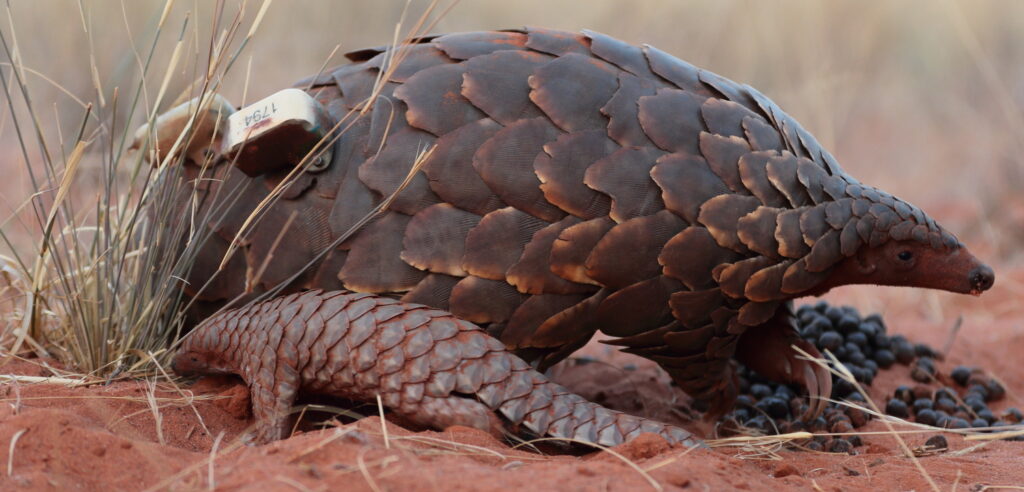
Among the current projects is a pangolin rewilding study, led by PhD candidate Rasekuwane Mosia under Professor Andrea Fuller and Dr Ashleigh Donaldson of the University of the Witwatersrand, and supported by Oppenheimer Generations. Tswalu was confirmed in early 2026 as an official release site for Temminck’s pangolins confiscated from traffickers in the Northern Cape, and the first two rehabilitated animals arrived in January. Rasekuwane’s study compares the ecology of released individuals against the resident wild population, tracking differences in habitat use, movement, foraging behaviour, energetics, and reproductive output. The central question is whether a pangolin removed from the wild by poachers, rehabilitated, and released can truly recover, and how long that process takes. This research could not have begun responsibly without a decade of preceding pangolin studies on the reserve, which built the baseline data against which released animals can now be measured. We have covered that research legacy in detail here and the launch of the current study here.
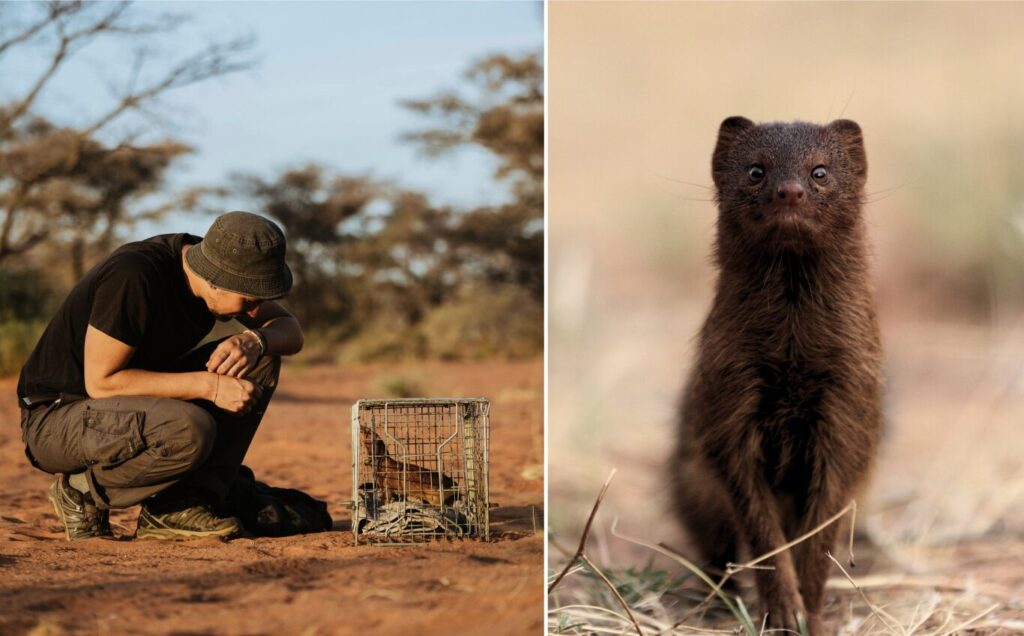
The Small Carnivores in the Kalahari programme, led by Professor Emmanuel Do Linh San of Sol Plaatje University and supported by the Benjamin Raymond Oppenheimer Trust (BROT), has been active since June 2025. This team is studying the slender mongoose, small-spotted genet, and striped polecat, using camera traps, radio-collaring, latrine monitoring, and faecal analysis to build the first detailed picture of how these animals use habitat, structure their activity, and share resources in a semi-arid environment. PhD candidate Juri Filonzi’s work on mongoose coexistence, part of this broader programme, has already produced preliminary data suggesting home ranges at Tswalu are considerably larger than recorded elsewhere. We have covered Juri’s research in more detail here.
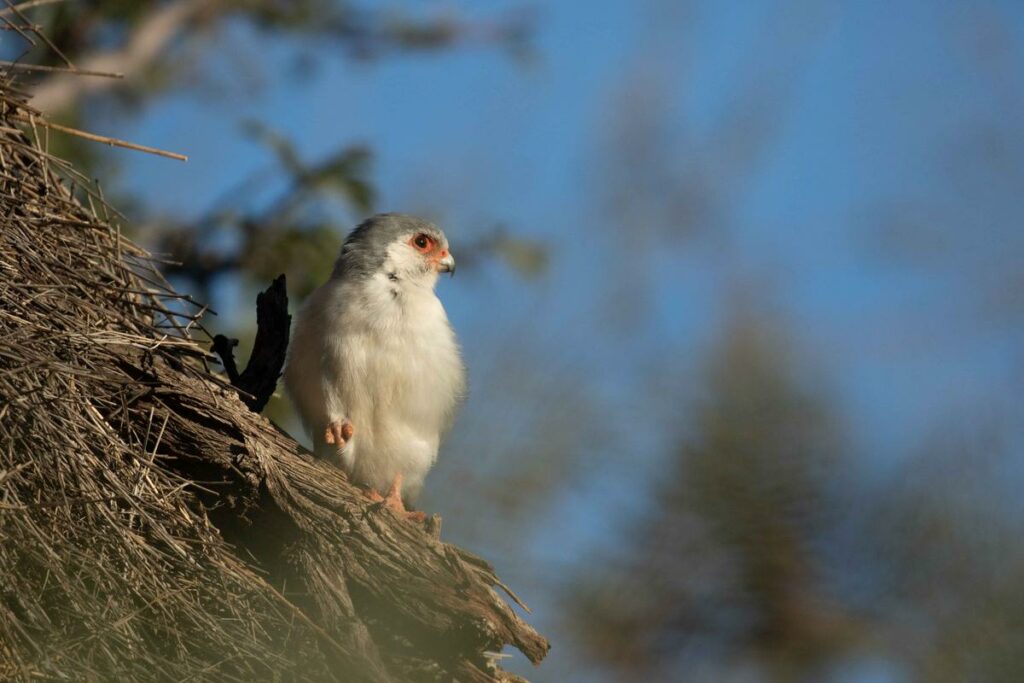
The African Pygmy Falcon study, led by Dr Robert Thomson of the FitzPatrick Institute of African Ornithology at the University of Cape Town, is one of Tswalu’s longest-running research commitments, with the team returning each summer for more than a decade. Thomson’s team has built a long-term demographic dataset tracking hundreds of breeding attempts across dozens of territories, the kind of sustained individual-level monitoring that is exceptionally rare for any African bird, and that allows researchers to distinguish genuine climate-driven trends from seasonal variation. The pygmy falcon (Polihierax semitorquatus), the smallest diurnal raptor on the continent, is closely associated with Sociable Weaver colonies and exerts a predatory influence across the broader Kalahari ecosystem.
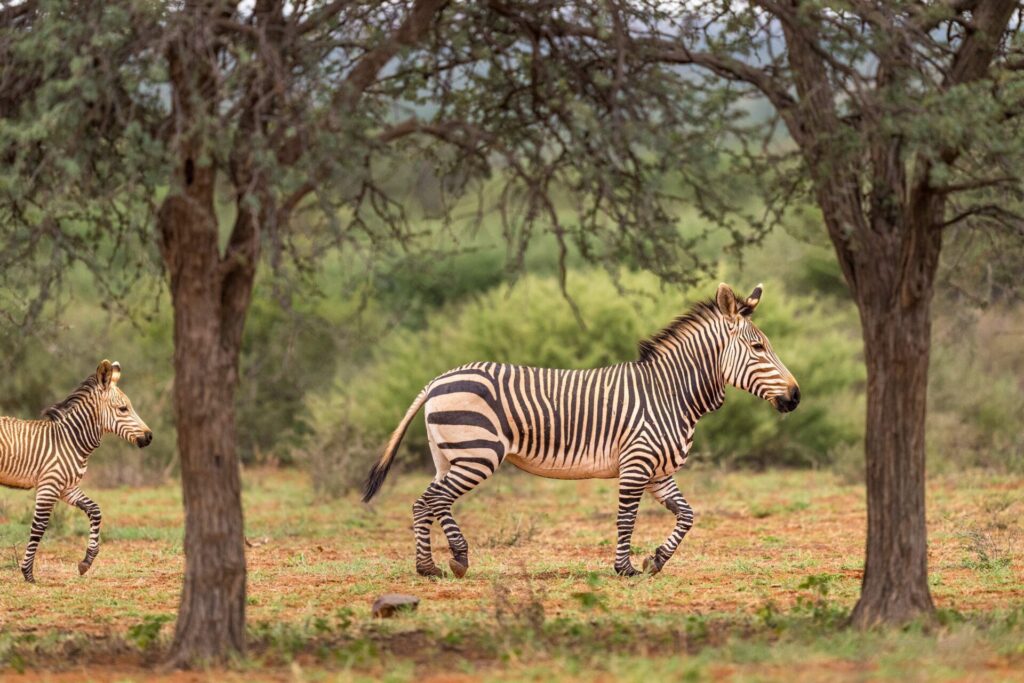
New for 2026, a study of Hartmann’s Mountain Zebra, led by Professor Elissa Cameron of the University of Canterbury, will investigate why Tswalu’s Korannaberg population has grown consistently while populations across the wider range have declined by an estimated 30% since 2008. Without intervention, a population with limited dispersal opportunities risks overgrazing and elevated disease transmission as numbers increase. Understanding the habitat’s carrying capacity and the factors driving this population’s success may contribute to a broader understanding of Hartmann’s Mountain Zebra ecology and conservation across the species’ range.
The North of Kuruman Palaeoarchaeology Project, led by Dr Benjamin Schoville and Dr Jayne Wilkins of the University of Southern Queensland and Griffith University, respectively, brings an interdisciplinary team to Tswalu annually in July. Using drone mapping, laser scanning, and geochronological dating techniques suited to deep time, the team is excavating Earlier Stone Age and Middle Stone Age sites and building a chronology of human activity in the southern Kalahari extending back more than a million years. Fossil plant and algae remain indicate the region once supported shallow lakes no longer present today. This long-term perspective establishes the arc of human-ecosystem interaction in this landscape, providing context for contemporary questions about how people and wildlife have shaped the Kalahari over geological time.
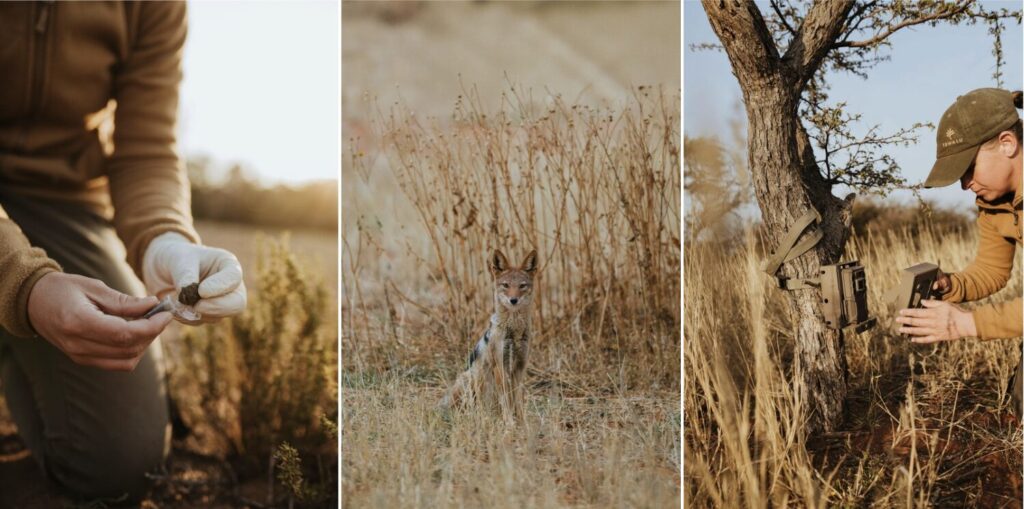
Several projects documented in recent posts show how varied the research at Tswalu is, and how often projects overlap. The fire ecology project, led by researchers from Rhodes University and the University of Pretoria, is three years into long-term fieldwork examining how fire, rainfall, and vegetation interact, with potential relevance for decisions about burning and bush encroachment. Read more here. Geke Woudstra’s black-backed jackal study, which used GPS collaring and eDNA scat analysis to track diet and predator-prey dynamics across seasons, is covered here. New black rhino research, published in Ecology and Evolution, established that black rhinos improve camel thorn (Vachellia erioloba) seed germination by 40%, confirming them as seed dispersers for a keystone Kalahari tree species. Read about it here. A two-year pollination study of the vlei lily (Nerine laticoma) revealed how the species insures against pollinator failure by relying equally on diurnal and nocturnal insects. That study is covered here.
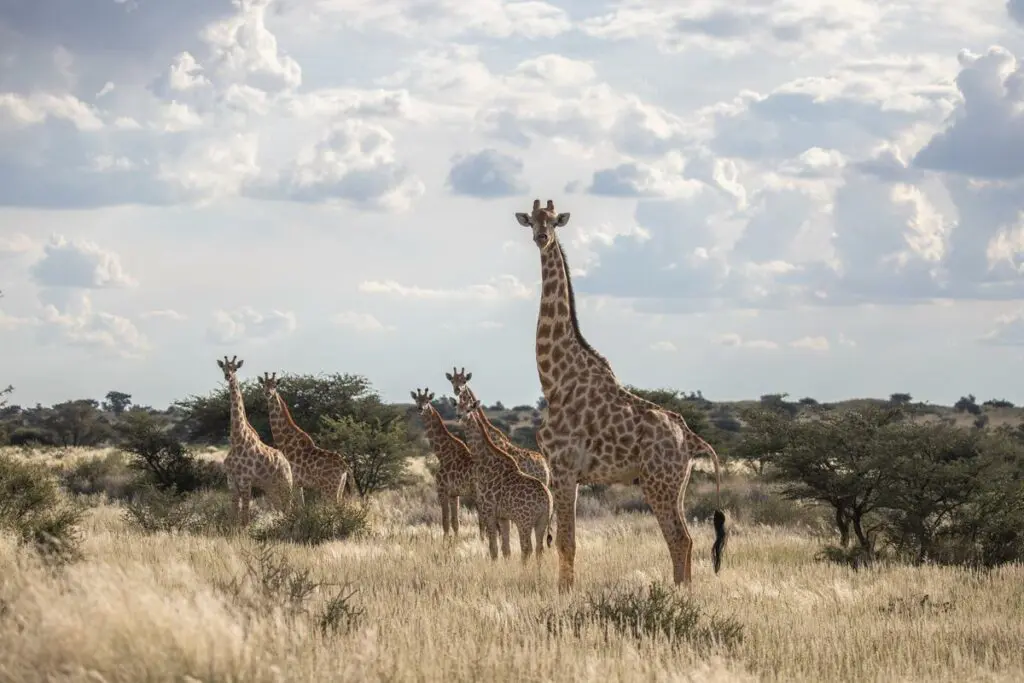
Some of the strongest examples come from data gathered for one purpose and later used in another. Tswalu’s 27 years of annual aerial game count records, accumulated as part of routine monitoring, were drawn on directly by the Giraffe Conservation Foundation’s State of Giraffe 2025 report, contributing to the most comprehensive assessment of southern giraffe in South Africa to date and to IUCN Red List evaluations that shape policy at a global level. That story is covered here. Tswalu’s first vegetation research workshop, held in May 2026, made the same point from a different angle: after more than a decade of parallel monitoring across grass, fire, herbivore stocking, and bush encroachment, the reserve now holds enough long-term data to begin genuine integration across disciplines. Read more here.
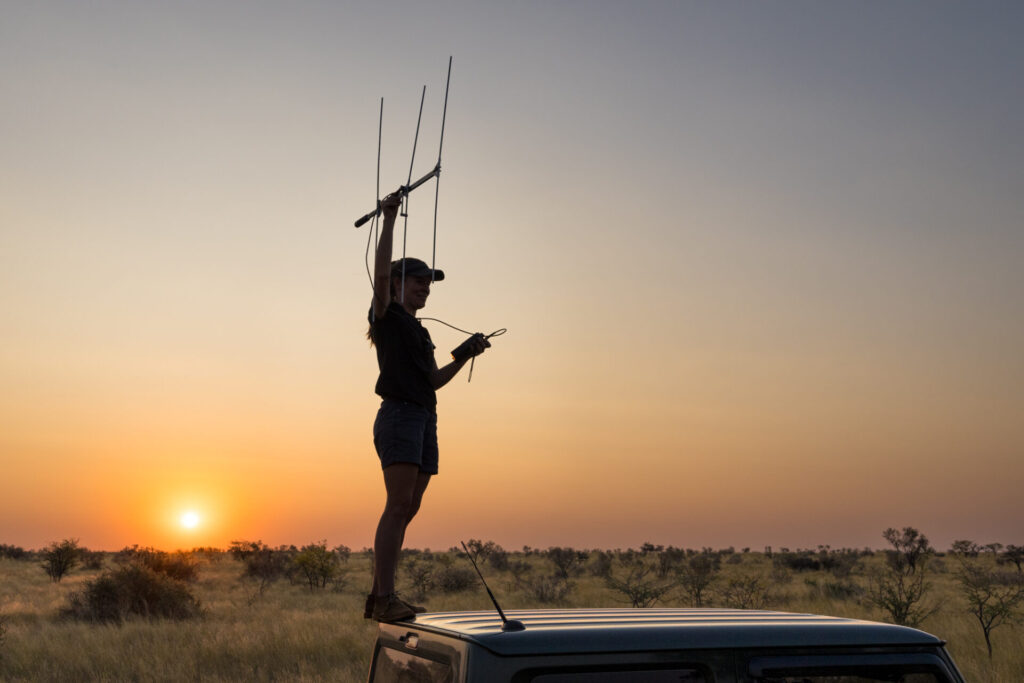
What long-term research at Tswalu offers is continuity. Conservation science is often shaped by short funding cycles, changing priorities, and researchers moving between projects. At Tswalu, the landscape remains available for questions to be revisited, tested, and built on over time. Pangolin research is a good example. Five consecutive studies have created a body of knowledge detailed enough to inform the design and monitoring of the current release programme for one of the world’s most heavily trafficked species. Across the Foundation’s research portfolio, the same principle applies: the value of the data grows with time. Longer datasets make it easier to separate real ecological change from short-term variation and to see patterns that would otherwise remain hidden. This is where the idea of a living laboratory becomes useful. It shows how privately protected landscapes can contribute not only to habitat protection but to the scientific understanding needed across the broader conservation landscape.


