Conserving the southern giraffe
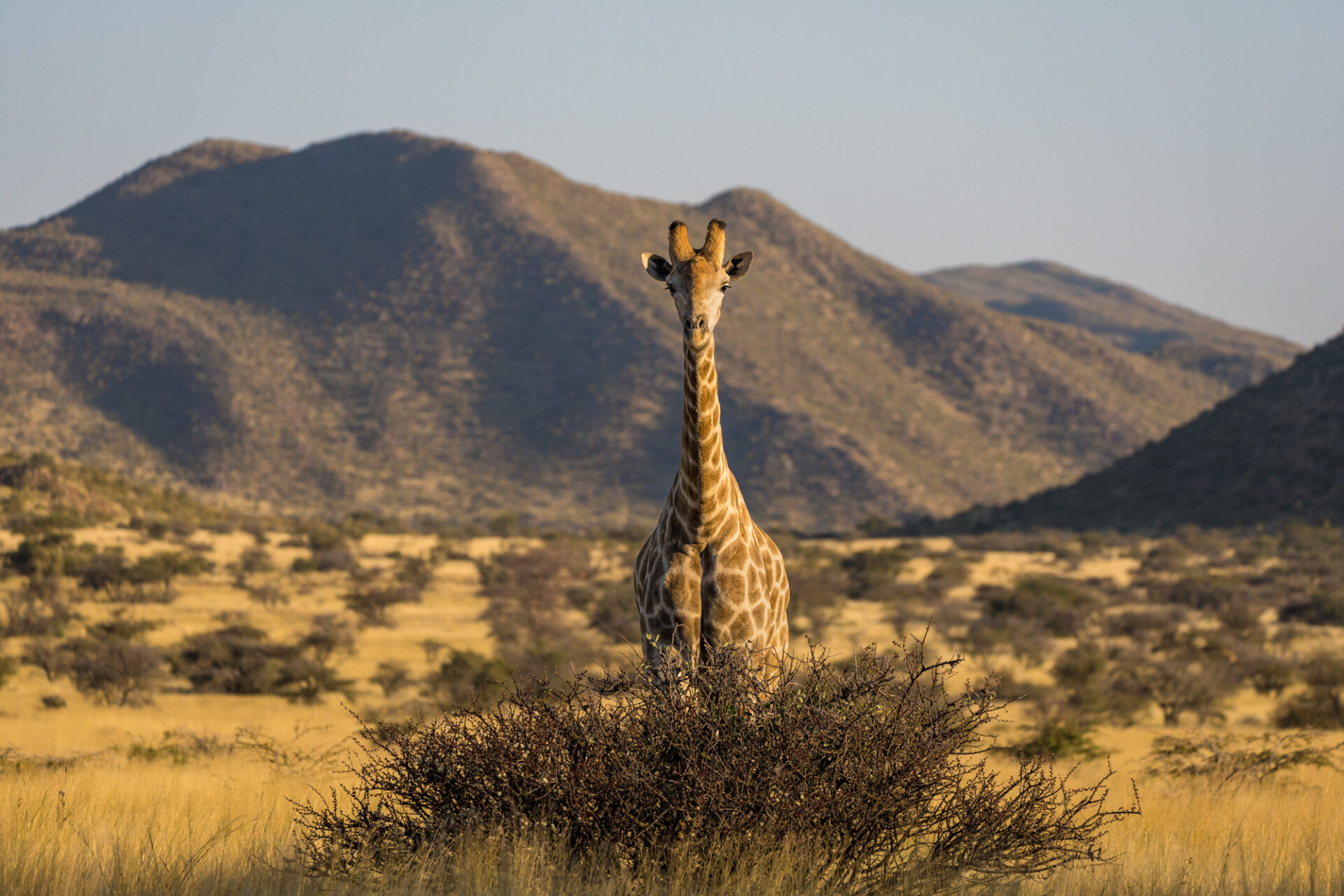
Every April, a helicopter lifts off from Tswalu’s airstrip at dawn. For four days, a team of counters, data capturers and pilots covers the reserve’s almost 1,200 square kilometres in predefined strips, eyes trained on the landscape below. Tswalu’s annual game count has taken place without interruption since 1999, through drought years and even through the pandemic.
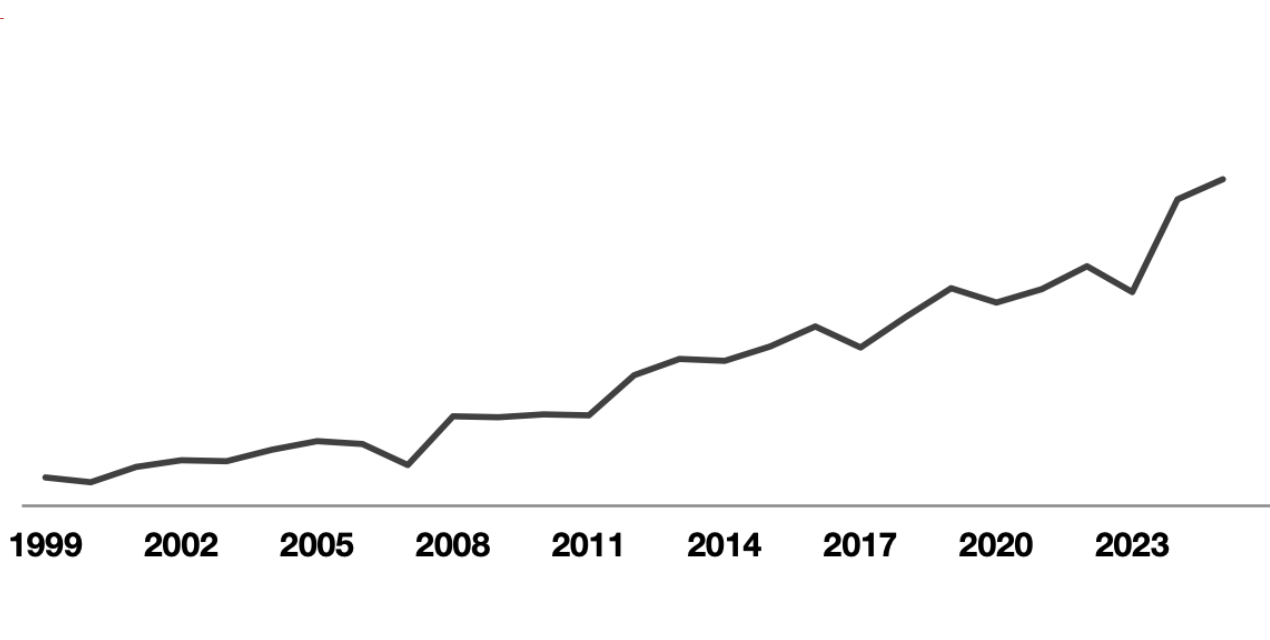
Among the species counted each year are southern giraffe (Giraffa giraffa). The giraffe population at Tswalu has increased 10-fold since 1999. That unbroken game count record recently took on significance beyond Tswalu’s own management decisions. When the Giraffe Conservation Foundation compiled its State of Giraffe 2025 report – the most comprehensive assessment of southern giraffe in South Africa ever undertaken – it drew on Tswalu’s historical count data as part of the national census. Local monitoring, consistently applied over decades, contributes directly to a broader conservation picture:
The national picture that data feeds into is striking. South Africa holds more than 40% of all wild southern giraffe on the continent. The 2025 assessment puts the national population at 29,536 individuals – nearly four times the estimated 8,000 recorded in the 1970s. That recovery has a clear driver. Nearly half of South Africa’s southern giraffe, 49.4%, are protected on private land. With approximately 79% of South Africa’s total land area under private ownership, the role of privately managed reserves in sustaining wildlife populations is not incidental; it is structural. The legal frameworks enabling private ownership and management of wildlife are directly credited in the peer-reviewed research as the engine of that growth.
As South Africa’s largest privately protected conservation area, Tswalu sits at the centre of that argument. The Northern Cape, where Tswalu is located, is identified by the researchers as home to a potentially significant transboundary population – giraffe in the broader Kgalagadi landscape whose range extends across the border into Botswana.
The research also highlights a more complex reality. Data gaps remain across the country, partly because there is no legal obligation for private landowners to report giraffe numbers. The true national total is almost certainly higher than current estimates suggest. A separate concern involves subspecies integrity. Historical translocations of Angolan giraffe from Namibia into South Africa have resulted in human-induced hybridisation between the two southern giraffe subspecies in some areas, reducing genetic diversity. A country-wide genetic assessment is now listed as a priority, with results expected in mid-2026.
Against that backdrop, the value of consistent, long-term monitoring – the kind that Tswalu has practised without interruption for 27 years – becomes clear. It is not only about managing one reserve’s wildlife population. It is about contributing reliable data to a national and international record at a moment when that record is still incomplete.
Images: Marcus Westberg


